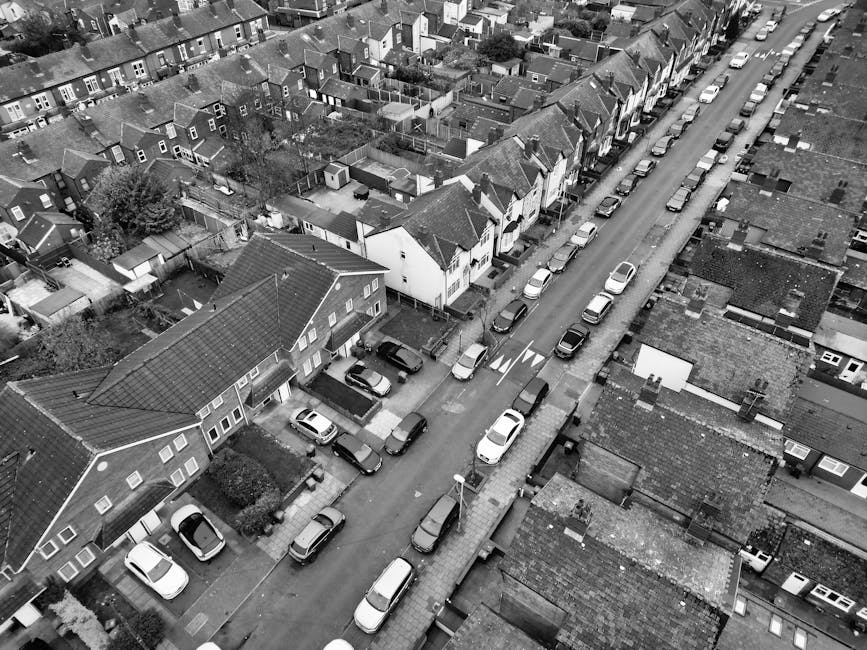
West Dulwich house removals SE21 narrow road solutions
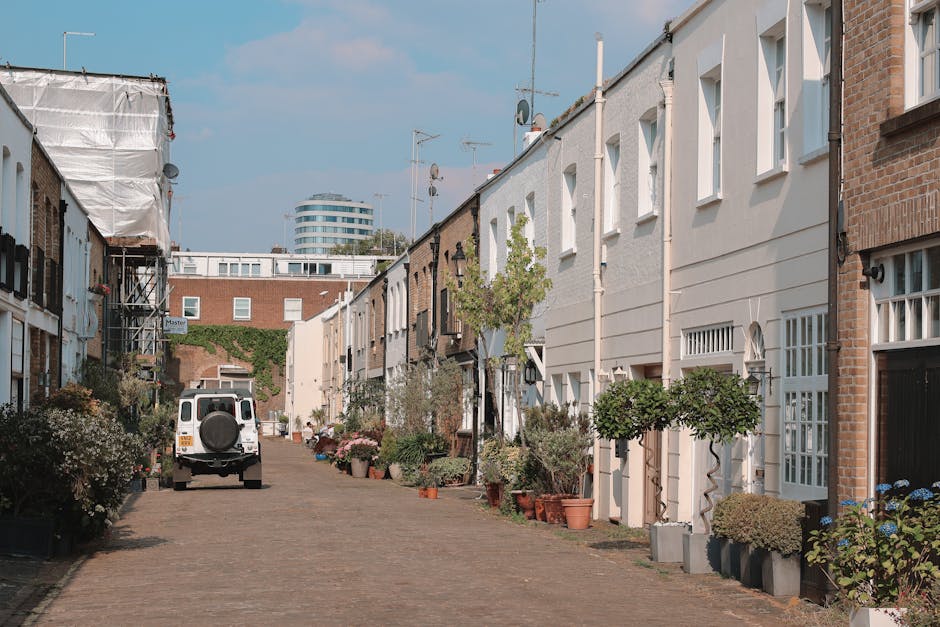
Moving house in West Dulwich can feel straightforward on paper, then suddenly the street outside tells a different story. Narrow roads, parked cars, awkward corners, and the very real question of where a van is supposed to stop can turn a simple removal into a bit of a puzzle. That is exactly why West Dulwich house removals SE21 narrow road solutions matter: they help you move safely, efficiently, and without the usual last-minute scramble. If you are planning a move in SE21, this guide walks through how tight-road removals actually work, what to expect, and how to avoid the common headaches that catch people out.
Truth be told, the best moves in areas like West Dulwich rarely happen by luck. They happen because the route, vehicle size, loading plan, and access strategy all make sense together. Let's get into the practical side.
Why West Dulwich house removals SE21 narrow road solutions Matters
West Dulwich has a lot going for it: attractive streets, a settled residential feel, and that classic South London mix of terraces, period homes, and side roads that were never designed with modern delivery vans in mind. That is part of the charm. It is also part of the challenge.
Narrow roads affect almost every part of a house move. The van may not be able to park outside the door. A larger vehicle might block traffic or become difficult to turn around. Crew members may need to carry items further than expected. On a wet morning, those extra metres matter. So does timing, because one badly placed vehicle can slow the whole street down. A move that looks easy on a map can become messy very quickly once real-world access is involved.
This is where proper planning pays off. A good removals approach for SE21 does not just focus on moving boxes from A to B. It solves the access problem first. That means thinking about vehicle choice, loading sequence, parking position, stair access, and how to keep neighbours and passing traffic out of the way. If you want a smoother experience, this is the bit worth getting right.
Expert summary: In narrow-road areas like West Dulwich, the move is won before the van arrives. Good planning, the right vehicle size, and a clean loading route usually matter more than brute strength.
How West Dulwich house removals SE21 narrow road solutions Works
There is no single formula, because every street is a little different. But the process usually follows a sensible pattern.
First, the mover looks at access. That might mean checking whether the road can handle a long wheelbase vehicle, whether there is space for temporary stopping, and whether the property sits on a bend, a hill, or a road with limited passing room. In some cases, a smaller vehicle is simply the better choice. A larger van may be efficient on paper, but if it cannot get close to the property, the move becomes slower and more tiring.
Next comes the loading strategy. Good removals teams tend to stage items in the right order: larger furniture first, then stacked boxes, then fragile items where they will not get crushed by a rogue lamp or a pile of books someone packed a bit too enthusiastically. It sounds obvious. In practice, this sort of sequencing saves time and reduces damage.
Then there is the walk route from property to vehicle. On narrow roads, that route may include tight front steps, shared entrances, short driveways, or a small gap between parked cars. Sometimes a short carry from a side access point is safer than trying to force the van directly in front of the house. That trade-off is normal. In fact, it is often the smarter move.
For many moves, a flexible service like man with van support is enough. For bigger homes or more furniture-heavy jobs, the broader options at house removals may make more sense. And if you are still in the packing stage, the practical help at packing and boxes can reduce the pressure before moving day even starts.
Key Benefits and Practical Advantages
When narrow-road solutions are done properly, the benefits are not just about convenience. They affect time, safety, and even how calm the whole day feels.
- Less delay at the kerb: A smaller, better-placed vehicle can avoid long awkward waits and repeated repositioning.
- Lower risk of damage: Shorter, safer carries reduce the chances of bumping furniture, doors, or walls.
- Better control on busy streets: You are less likely to block neighbours, passing cars, or delivery traffic.
- More efficient loading: Teams can work in a clear sequence instead of improvising under pressure.
- Less stress for you: A move that feels organised is simply easier to live through. That matters more than people admit.
There is also a practical financial upside. If access is planned properly, you reduce wasted time. That can make the move more predictable and less prone to awkward overrun. Nobody wants to spend the afternoon negotiating with a van stuck half-on, half-off the kerb. Nobody.
Another benefit is neighbour relations. West Dulwich streets often feel close-knit, so a tidy move that respects space and access tends to go down better. It may sound small, but on moving day those small things add up.
Who This Is For and When It Makes Sense
These solutions are useful for a surprisingly wide range of people. You do not need to be moving from a mansion with antiques to benefit from them.
They make particular sense if you are:
- moving from a terraced house on a narrow residential road
- dealing with limited curb space or no driveway
- moving on a street with heavy parking pressure
- relocating furniture through a tight front path or small hallway
- trying to avoid disruption on a school-run or commuter-heavy route
- moving a one-bed, family house, or flat with multiple large items
It also makes sense if you are moving at a time when access is more complicated than usual. Rain, school traffic, bin collections, roadworks, and weekend parking all change the picture. West Dulwich is one of those places where the environment can change the plan in a very ordinary, very annoying way.
If you are not sure whether your move needs a compact-vehicle approach or a more structured removal setup, it helps to compare options first. For example, smaller home moves may be better suited to man and van, while larger moves can benefit from a more complete service like removal services.
Step-by-Step Guidance
Here is a practical way to organise a narrow-road house move in SE21 without losing the plot halfway through.
- Assess the street realistically. Look at where a van could stop, where it could turn, and whether there is space for loading without blocking doors or junctions.
- Measure the awkward items. Sofas, wardrobes, bed frames, and wardrobes-with-a-little-too-much-self-confidence are the items most likely to cause trouble.
- Decide whether smaller access is better. A compact removal van can sometimes be far more efficient than a larger truck if the road is tight.
- Pack for fast loading. Use sturdy boxes, label them clearly, and keep essentials separate. Moving day gets much calmer when the kettle and phone charger are easy to find.
- Plan the order of carry. Heavy furniture should not be trapped behind 40 boxes of books. Sequence matters.
- Protect the route. Cover floors, keep doors open safely, and make sure there is a clear path from house to vehicle.
- Confirm timing and access details. If the road gets busier at certain times, work around that rather than pretending it will not matter. It will.
- Leave a buffer. Give yourself breathing room for a delayed lift, a parking issue, or one stubborn item that refuses to fit through the doorway on the first go.
That last one is the quiet lifesaver. Moving always seems to throw in one unexpected complication. Usually right when everyone is tired and someone is holding a mattress at a weird angle.
Expert Tips for Better Results
These are the kinds of details that make a narrow-road move noticeably smoother.
Choose the smallest vehicle that still does the job properly. Bigger is not always better. In tight West Dulwich streets, a smaller van can save more time than a large one because it reaches the property more easily.
Keep the front entrance clear. Bikes, planters, shoes, parcels, and random hallway clutter all slow the process. The entry point should feel almost boringly empty.
Pack heavy items wisely. Books should go in small boxes. Not because it sounds neat, but because overfilled book boxes become back-breaking very fast. To be fair, most people only make that mistake once.
Protect fragile edges. Door frames, table corners, and mirrors are vulnerable in narrow hallways. A bit of padding now is cheaper than a repair later.
Keep communication simple. If someone on the team is guiding the van in, short instructions are better than a long sentence shouted over traffic. "A bit left." "Stop." "Forward slowly." Very glamorous, but effective.
Ask about access planning in advance. If you are comparing providers, check whether they are comfortable with narrow-road logistics and whether they have experience with compact residential streets. That is a fair question, not a fussy one.
For moves involving large wardrobes, sideboards, or mixed household furniture, it can also help to look at furniture removals alongside your house move plan. The less improvisation on the day, the better.
Common Mistakes to Avoid
Most moving problems in narrow streets come from a handful of avoidable mistakes. Thankfully, they are pretty predictable.
- Assuming the van will fit anywhere: Streets look wider on a listing photo than they do in real life. Always check access properly.
- Leaving everything until moving morning: Packing late is the fastest route to panic, lost labels, and a missing set of screws for the bed.
- Using boxes that are too large: Oversized boxes are awkward in tight hallways and awful on stairs.
- Ignoring parking pressure: If the road fills up early, your loading plan may need to start earlier too.
- Forgetting building constraints: Some homes have low gates, narrow staircases, shared access, or side returns that need careful handling.
- Not planning for bulky items first: If the sofa cannot get out, the whole move gets slower. Start with the awkward pieces, not the easy ones.
A slightly less obvious mistake is overestimating how much can be done in one clean sweep. Sometimes, a split load is the better option. It is not fancy, but it works. The goal is not to look efficient; it is to actually be efficient.
Tools, Resources and Recommendations
You do not need a warehouse full of specialist kit to manage a narrow-road move well. A few sensible tools and a bit of preparation go a long way.
- Strong tape and labelled boxes: Simple, but absolutely essential.
- Furniture blankets and wrapping: Helpful for corners, polished surfaces, and anything easily scratched.
- Basic tools: Screwdrivers, Allen keys, and a bag for fittings save time later.
- Gloves and sturdy footwear: Helpful when carrying items over uneven pavements or short steps.
- Floor protection: Especially useful if the route from front door to van includes muddy paving or wet weather.
- Storage support: If your move dates do not line up neatly, short-term storage can take the pressure off.
There are also a few service pages worth knowing about when building the right move plan. If you need a straightforward help-with-loading option, removal van support may be the right fit. For more involved property moves, home moves can better suit families and larger households.
And if you are weighing up cost versus convenience, the pricing page at pricing and quotes is a sensible place to start. Nothing dramatic there, just useful clarity before you commit.
Law, Compliance, Standards, or Best Practice
House removals in the UK are not usually complicated by heavy regulation in the way some specialist industries are, but there are still important duties and standards to keep in mind. The main point is simple: safety, care, and fairness matter.
At a practical level, movers should handle goods carefully, manage loading safely, and avoid creating unnecessary risk on public roads or pavements. For narrow-road work, that means sensible parking, safe lifting, and awareness of pedestrians, neighbours, and passing vehicles. A move should not create avoidable danger just because the street is tight.
It is also sensible to check insurance and safety arrangements before booking. If you want to understand how a provider approaches that side of the job, insurance and safety is a useful page to review. The same goes for expectations around service terms, which are outlined in terms and conditions.
On the customer side, good practice is just as important. Give accurate information about access, be clear about what is moving, and disclose anything unusually heavy, fragile, or awkward. That kind of honesty helps the crew prepare properly. It is not over-sharing. It is good moving etiquette, really.
If recycling and responsible disposal matter to you during the move, you may also want to review recycling and sustainability. It is a sensible way to think about unwanted items, packaging, and what should be reused rather than just thrown out.
Options, Methods, or Comparison Table
Different homes need different solutions. Narrow-road removals are not one-size-fits-all, and choosing the right method is often the difference between a smooth day and an exhausting one.
| Option | Best for | Strengths | Watch-outs |
|---|---|---|---|
| Man and van | Smaller house moves, single loads, limited access streets | Flexible, usually easier to park, good for quick access | May not suit large family homes or many bulky items |
| Full house removals | Larger homes, heavier furniture, more complex moves | More structured, better for full-property relocation | Needs careful access planning on narrow roads |
| Removal van only | Light to medium loads with straightforward access | Practical and cost-conscious | Requires good packing and realistic volume estimates |
| Same-day removals | Urgent or time-sensitive moves | Fast response, helpful in unexpected situations | Less flexible if access is especially awkward |
| Storage plus move | Gap between move-out and move-in dates | Takes time pressure off the day itself | Needs extra coordination |
If you are still deciding, the comparison is often this simple: smaller and simpler moves usually suit compact vehicle solutions; larger and more item-heavy homes usually need a broader removal setup. No mystery, just matching the method to the street.
Case Study or Real-World Example
Imagine a typical SE21 terrace with a narrow front approach, on-street parking, and a sofa that looked modest in the showroom but somehow grew overnight. The household is moving on a weekday morning. By 8:30 a.m., cars have already started filling the road. A large van would struggle to stop directly outside, and the loading area would be tight.
Instead, the move is planned around a smaller vehicle and an early start. Boxes are grouped by room. The sofa is wrapped before the crew arrives. The heaviest furniture is loaded first, while one person keeps an eye on the route from front door to van. There is a short carry, but it is controlled, and nobody is rushing around in circles. The move finishes without drama, and the family is not left standing on the pavement wondering where the last bedside table has gone.
That is a small example, but it reflects the real value of narrow-road planning. The win is not speed alone. It is a move that feels manageable from start to finish. And honestly, that feeling matters more than people expect.
Practical Checklist
Use this checklist in the days before your move. It is basic, but it works.
- Confirm whether the road is narrow, busy, or difficult to park on.
- Measure large furniture and check doorway widths where possible.
- Decide whether a smaller van is better than a larger truck.
- Pack heavy items in smaller boxes.
- Label boxes by room and priority.
- Set aside essentials for the first night.
- Clear hallways, stairs, and entry points before the crew arrives.
- Keep keys, documents, and valuables with you.
- Check whether you need packing and unpacking services for a smoother day.
- Review pricing, timing, and the move scope in advance.
A good checklist is a quiet thing. It does not shout, but it saves the day.
Get a free quote today and see how much you can save.
Conclusion
West Dulwich house removals SE21 narrow road solutions are really about one thing: making a difficult access situation feel calm and controlled. When you plan the van size, the loading route, the timing, and the packing properly, the move becomes far less stressful. That is true whether you are leaving a small flat, a family house, or a property full of furniture that seems to have multiplied since last year.
If you want to keep things simple, start with access. Then work backwards from there. It is amazing how many moving headaches disappear once the street, the van, and the furniture all get treated as part of the same plan.
With the right approach, even a narrow West Dulwich road does not have to feel like an obstacle. It can just be part of the job, handled well and done properly. And that, in the end, is what makes a move feel like a fresh start rather than a battle.
Frequently Asked Questions
What are narrow road solutions for house removals in West Dulwich?
They are practical moving methods designed for streets with limited parking, tight turning space, and restricted van access. The aim is to make loading safe and efficient without blocking the road.
Do I need a smaller van for SE21 streets?
Often, yes. A smaller vehicle can be much easier to position close to the property, which reduces carrying distance and makes the move less disruptive. It depends on the exact road and the size of your load.
How do removal teams handle streets with little parking?
They usually plan an early arrival, choose a suitable vehicle, and arrange the loading order carefully. In some cases, the van stops slightly away from the door and items are carried a short distance.
Is a man and van service suitable for a West Dulwich house move?
It can be, especially for smaller homes, lighter loads, or moves where road access is tight. For larger households or more furniture-heavy relocations, a fuller removal setup may be better.
How far in advance should I book a narrow-road move?
As early as you reasonably can. Narrow-road moves benefit from better planning, and early booking gives more time to assess access, vehicle choice, and any packing support you might need.
What if my furniture is too large for the hallway or stairs?
That is common enough. The best next step is to check measurements carefully and plan the route in advance. Sometimes furniture needs partial dismantling, or a different carrying angle, or both.
Can I use storage if move-in and move-out dates do not match?
Yes. Storage is often a sensible option when completion dates are uncertain or delayed. It can reduce pressure and stop the whole move becoming a rush.
How do I avoid damage on narrow staircases and doorways?
Protect the route, keep the path clear, use wrapping for vulnerable furniture, and make sure the heaviest pieces are handled first. Careful movement beats speed every time.
What should I tell the removals team before moving day?
Tell them about road width, parking limits, steps, tight corners, large items, fragile pieces, and any access issues. The more accurate the picture, the smoother the day usually goes.
Are same-day removals possible in West Dulwich?
Sometimes, yes, depending on availability and the complexity of the move. If access is especially tight, it is worth explaining that early so the right setup can be arranged.
What is the best way to get a fair quote for a narrow-road move?
Provide clear details about the property, access, volume of items, and any difficult furniture. Honest information helps create a more realistic quote and avoids awkward surprises later.
Where can I learn more about the company's approach to safety and service?
The most relevant pages to review are about us, health and safety policy, and insurance and safety. They explain the standards behind the service in plain English.