Lordship Lane removals Dulwich SE22 access and parking tips
Posted on 19/06/2026
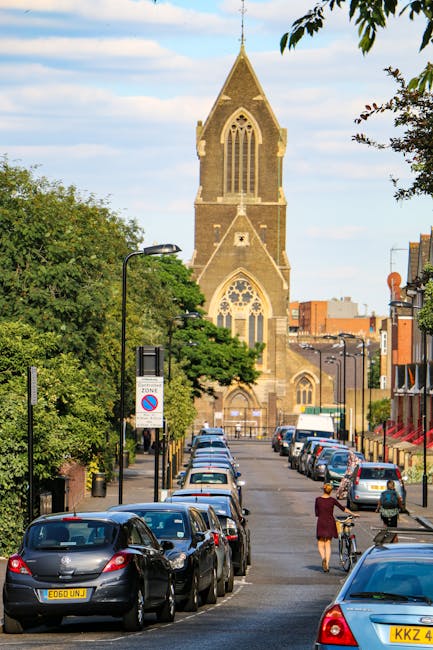
If you are planning a move around Lordship Lane in Dulwich SE22, the big challenge is rarely the boxes themselves. It is usually the access. Narrow stretches, busier parking patterns, residents' bays, school-run traffic, and the simple fact that a removal van needs more space than most people expect can turn an otherwise straightforward move into a bit of a scramble. This guide on Lordship Lane removals Dulwich SE22 access and parking tips breaks down what actually helps on the day, so you can load and unload without losing time, patience, or a wing mirror.
We will cover how removals in this part of Dulwich typically work, what to check before the van arrives, common parking headaches, and the small planning steps that make a surprisingly big difference. If you are comparing services, it also helps to look at the wider picture of removal services in Dulwich and the practical differences between a man with van Dulwich option and a larger removals team. Simple stuff, really. But it is the simple stuff that saves the day.
One quick note before we dive in: every move is different. A flat above a shop on Lordship Lane is not the same as a family house a few streets off the high road, and a piano or awkward sofa changes the plan again. So use this as a practical local guide, not a rigid rulebook.
- Why access and parking matter on Lordship Lane
- How removals on Lordship Lane usually work
- Key benefits of planning ahead
- Who this guide is for
- Step-by-step moving day guidance
- Expert local tips
- Common mistakes to avoid
- Useful tools, resources and recommendations
- Law, compliance and best practice
- Options and method comparison
- Real-world example
- Practical checklist
- Conclusion
- Frequently asked questions
Why Lordship Lane removals Dulwich SE22 access and parking tips Matters
Lordship Lane is one of those Dulwich roads that looks manageable at a glance, then reminds you that urban moving is never just about distance. Access and parking affect almost everything: how long the move takes, whether the van can stop safely, whether bulky items can be carried in one trip, and whether neighbours and pedestrians can still get by without friction.
In practical terms, poor parking planning can mean extra walking distance from the van to the property, slower loading, more manual carrying, and a greater chance of delays. That can be frustrating for everyone, but especially if you are dealing with a time-limited handover, a family with children, or a move that has to fit between work commitments.
Lordship Lane is also busy in a way that matters to movers. Traffic patterns change through the day. School times can make the street feel tighter. Delivery vehicles often compete for the same curb space. And if there is a narrow side road or awkward entrance involved, the difference between "fine" and "stressful" can come down to ten minutes of planning. To be fair, that is true across London, but Dulwich has its own character and pace.
Expert summary: Good removals on Lordship Lane are usually won before moving day starts. Secure sensible parking, know your access route, protect the property entrance, and keep the load path as short and clear as possible.
If you are also in the middle of a larger house move, it can help to understand the wider service context first. Our general guide to house removals in Dulwich gives a better picture of what a full move typically involves, while flat removals in Dulwich is useful if you are moving from an upper-floor property with tighter access.
How Lordship Lane removals Dulwich SE22 access and parking tips Works
There is no magical trick. The process is mainly about reducing uncertainty. A good move on Lordship Lane usually follows a simple chain: inspect the access, decide where the vehicle can stop, protect the route into the property, and keep the move moving in sensible stages.
First, think about the exact property type. A ground-floor flat with rear access is very different from a maisonette above a shopfront. If there are steps, narrow hallways, low ceilings, or a shared entryway, those details matter more than people expect. Even a single awkward turn can change how a wardrobe or bed frame has to be carried.
Next, think about the van itself. A smaller vehicle may fit more easily near the property, but it might require more trips. A larger vehicle can reduce loading time, but only if there is enough clear stopping space. This is where a balance comes in. The best choice is not always the biggest van. Sometimes it is the van that can actually park without forcing a risky manoeuvre or blocking the road.
Parking on or near Lordship Lane often comes down to timing and preparation. If you know the likely loading spot in advance, you can keep the move tighter and calmer. If you do not, the day can begin with a frustrating loop of double-checking curb space while a queue builds behind you. Nobody enjoys that. Not you, not the driver, not the neighbour trying to squeeze past with a pram.
This is also where broader planning resources become useful. If you are still gathering quotes or comparing teams, a good place to start is the site's pricing and quotes information, which helps set expectations before you commit. For transport choices, you may also want to look at removal van Dulwich and man with a van Dulwich options depending on the scale of the job.
Key Benefits and Practical Advantages
Good access and parking planning is not glamorous, but it pays off quickly. The benefits are practical, immediate, and easy to feel on the day.
- Less lifting distance: A van parked close to the entrance means fewer steps carrying heavy boxes, which reduces fatigue and the chance of knocking walls or door frames.
- Faster loading and unloading: A clear stopping position keeps the move efficient, especially if you are on a tight schedule.
- Lower risk of damage: Less weaving through tight spaces usually means fewer bumps to furniture, bannisters, and paintwork.
- Better neighbour relations: A tidy, considerate setup makes life easier for everyone on a busy street.
- More accurate timing: When parking is already thought through, the rest of the job is easier to estimate.
There is another advantage that gets overlooked: calmer decision-making. When the vehicle can stop where it should, the whole move feels more controlled. That matters when you have a family moving in stages, or when you are juggling lift access, keys, cleaners, and the usual moving-day chaos. You know the feeling. One missing item, and suddenly everyone is asking, "Where's the kettle?"
For some moves, especially when furniture is bulky or fragile, it can also be sensible to pair access planning with specialist handling. That may mean furniture removals in Dulwich for larger items or packing and boxes in Dulwich support if you want to reduce the amount of loose handling on the day.
Who This Is For and When It Makes Sense
This guide is most useful if you are moving from, to, or around Lordship Lane and you expect parking to be anything other than effortless. That covers a lot of people, honestly.
- Flat movers: If you live above a shop, in a converted building, or in a first-floor flat with limited stair access.
- Family house movers: If you have larger furniture, more boxes, or a higher volume of belongings.
- Students and sharers: If the move is quick but the street access is awkward or shared.
- Homeowners selling locally: If you are coordinating moving day with viewings, handovers, or completion timing.
- Businesses and small offices: If you are relocating equipment, files, and furniture without disrupting the street or neighbouring properties.
It also makes sense if you are the sort of person who wants the move to feel organised rather than improvised. Truth be told, that is usually the wisest approach in SE22. Streets like Lordship Lane reward preparation. They do not really forgive guesswork.
If your move involves a smaller household load, a man and van in Dulwich can be a practical fit. For larger or more complex homes, removals in Dulwich may be the better route because it gives you more hands, more structure, and usually less stress. If you are moving out of a top-floor flat, the dedicated flat removals Dulwich page is worth a look too.
Step-by-Step Guidance
If you want the shortest path to a smooth move, follow this sequence. It is not flashy, but it works.
- Assess the property entrance. Check whether the front door, hallway, stairs, or gate create a bottleneck. Measure tight points if you can. A tape measure is boring, but very handy.
- Work out the loading side. Decide which side of the road or which side entrance gives the easiest route between van and property. Sometimes a side alley or rear access makes all the difference.
- Plan the parking spot early. Look at where the van can stop without blocking driveways, corner sightlines, crossings, or obvious pinch points.
- Build in time for busy periods. Morning and late afternoon can be heavier with traffic and parking pressure. If you can, use a calmer window.
- Reserve or arrange support where needed. If the move is larger, make sure enough people are available to keep items moving safely.
- Clear the route before lifting starts. Move loose mats, bikes, bins, plant pots, and anything else that may trip someone.
- Load the heaviest items first. That keeps the van organised and reduces wasted effort later.
- Check the drop-off point at the new place. The same logic applies at the destination. A perfect pickup means little if the destination is blocked.
One small but valuable habit: walk the route from the property to the van before the first box comes out. Sounds almost too simple, but in practice it often reveals a surprise obstacle. A low hedge. A parked car a bit too close. A narrow gate that looked wider from the pavement. These tiny things tend to appear at the worst moment.
If timing is tight, you may also want to consider same day removals in Dulwich, though that works best when the access picture is already fairly clear. Urgent moves and unclear parking are not a lovely combination.
Expert Tips for Better Results
Here is where local experience matters. Over time, you start to notice the same patterns again and again. A few of the most useful tips are below.
- Arrive with a plan, not a guess. Even a rough sketch of the property frontage helps everyone think faster on the day.
- Keep the van route as direct as possible. A few extra yards might not sound like much, but under load it adds up.
- Label fragile or awkward items clearly. That is especially useful when a tight stairwell forces slower carrying.
- Protect the edges. Door frames, banisters, and narrow corners are the usual trouble spots. A bit of padding can save a headache.
- Use a second person to watch parking gaps. One person focusing on moving while another keeps an eye on the vehicle is a very sensible split.
- Think about weather and glare. A wet pavement or low winter sun can make a narrow route feel even more awkward. London in the late afternoon can be a bit unforgiving like that.
Another useful tip: don't overpack boxes. Heavy boxes are harder to carry through tight access and more likely to get dropped or dragged. This is one reason many people choose a specialist packing approach or at least get some help from a team experienced in packing and boxes Dulwich.
And if you are moving anything awkward or valuable - a piano, for example - you really should treat parking and access as part of the handling plan, not an afterthought. That is exactly the sort of move where piano removals Dulwich experience can be especially helpful.

Common Mistakes to Avoid
Most move-day problems are surprisingly ordinary. They are not dramatic disasters. They are small planning misses that snowball.
- Assuming parking will just "sort itself out": It often won't, especially on a busy stretch like Lordship Lane.
- Forgetting about the return trip: You need space at the destination too, not just at pickup.
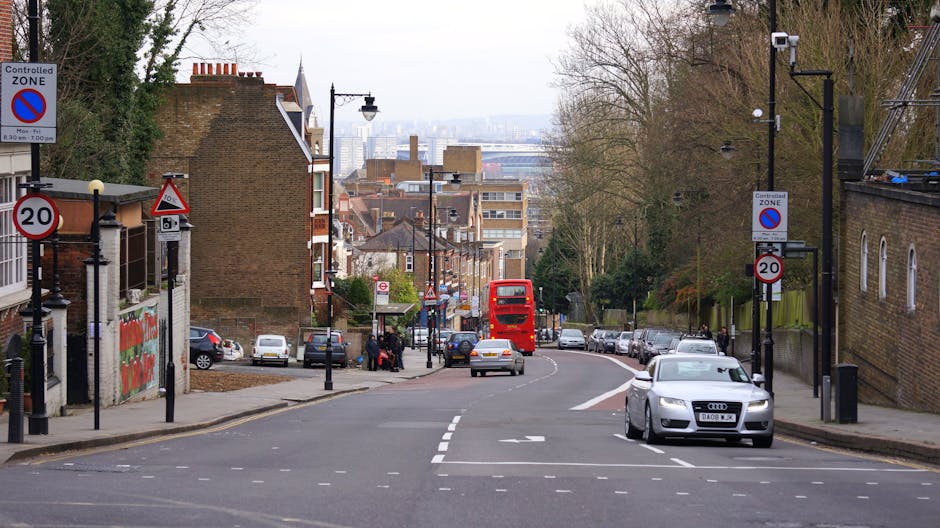
- Ignoring time restrictions or local parking controls: If there are restrictions in place, they can slow everything down.
- Choosing a van size without checking the route: Bigger is not always better if the access is tight.
- Leaving all packing until the last night: That is how fragile items, poor labels, and stress all show up together.
- Blocking the pavement or drive: This can create complaints, awkward conversations, or even a need to move the vehicle mid-job.
One of the less obvious mistakes is not telling your removal team about awkward details. A narrow stair, a low wall, a shared entrance, a heavy sofa that barely made it into the flat in the first place - these are the bits they need to know early. Nobody likes surprises when someone is already halfway through lifting a wardrobe. Well, nobody sensible anyway.
If you are weighing up providers, it is often worth looking beyond the headline price and checking what is included. A helpful starting point is the site's broader removal companies Dulwich information, which can help you think more clearly about value, not just cost.
Tools, Resources and Recommendations
You do not need specialist equipment for a typical local move, but the right basics make life easier.
- Tape measure: For doors, stair turns, lift sizes, and furniture dimensions.
- Box labels and marker pens: So the loading order stays clear.
- Protective covers or blankets: Helpful for furniture edges and stairwell contact points.
- Gloves with decent grip: Not glamorous, but very useful when lifting in damp weather.
- Phone camera: Useful for recording access points, parking options, or any pre-existing marks before moving starts.
- Printed move list: Low-tech, yes. Reliable, also yes.
On the service side, it helps to know what support is available before you book. A quick look at services overview can clarify the range of moving help on offer, while storage in Dulwich may be useful if access issues mean you need to move in phases. That happens more often than people think, especially when completion times are awkward or there is a gap between addresses.
For local context and a better feel for the area, the site's blog content can be useful too. The ultimate guide to Dulwich is a good broader read, while what locals love about Dulwich gives a more lived-in sense of the neighbourhood. If you are moving because you are buying or selling locally, the piece on buying and selling in Dulwich is especially relevant.
Law, Compliance, Standards, or Best Practice
This is one of those topics where it pays to stay careful. Parking and loading on a residential or mixed-use street should always be handled with respect for local parking rules, traffic flow, and pedestrian safety. Exact restrictions vary by street and time of day, so do not assume the arrangement from last week will still work today. In London, that assumption tends to cause trouble faster than people expect.
From a best-practice point of view, a removal vehicle should be parked so it does not block driveways, crossings, corners, or emergency access. Crew members should also manage lifting in a way that reduces avoidable risk to themselves and to others passing by. That includes keeping paths as clear as possible and not leaving heavy items unattended in the street.
If you are hiring help, it is sensible to work with a team that takes safety and insurance seriously. The site's health and safety policy and insurance and safety pages are useful references for understanding the standards you should expect. For payment clarity and admin reassurance, payment and security is another sensible page to review before booking.
Best practice also means being honest about access limitations. If a street is tight, say so. If the vehicle may need to stop a little further away, say so. If there is no lift and the stairs are steep, say so. Clear information tends to prevent expensive misunderstandings later.
Options, Methods, or Comparison Table
The right moving setup depends on volume, access, and how much coordination you want to carry yourself. Here is a simple comparison.
| Option | Best for | Strengths | Limitations |
|---|---|---|---|
| Man and van | Smaller loads, flexible schedules, quick local moves | Often easier to position, simple booking, practical for tight streets | May be less suitable for large houses or heavy multi-room moves |
| Full removals team | Family homes, larger furniture, more complex access | More hands, better for speed and heavier items | May need more careful planning around parking and timing |
| Phased move with storage | Uncertain completion dates or limited access at one end | Reduces pressure when dates or space are messy | Requires more organisation and possible extra handling |
For many Lordship Lane moves, the sweet spot is a vehicle and crew size that matches the street rather than the wish list. That sounds obvious, but people often default to "largest possible van" and only later realise the road is the real constraint.
If you want a broader service comparison, the pages on man with van Dulwich and removal van Dulwich are useful companions to this guide.
Case Study or Real-World Example
Here is a realistic local scenario. A couple moving out of a first-floor flat near Lordship Lane had a mix of boxes, a bed frame, a sofa, and a few fragile kitchen items. Nothing extreme. The challenge was the frontage: limited stopping space, regular passing traffic, and a fairly awkward stair turn inside the building.
Instead of waiting until moving day to see what happened, they walked the route the evening before. They identified the narrowest part of the hallway, moved a couple of awkward items nearer the door, and agreed on a parking spot that kept the unloading path short. They also packed fragile items in fewer, clearly labelled boxes rather than trying to cram everything into fewer heavy cartons. Sensible, boring, effective.
On the day, the van arrived into a known setup rather than a surprise. A second person watched the parked vehicle while the first team member handled the carry path. The whole job stayed calmer because no one had to improvise at speed. It still took effort, of course. Moves always do. But the access part did not become the problem, which is exactly the point.
That is the real value of Lordship Lane removals Dulwich SE22 access and parking tips: not perfection, just fewer avoidable setbacks. A move can be tiring and still be orderly. It can be hectic and still go well. There is a difference.
Practical Checklist
Use this checklist the day before and again on the morning of the move.
- Confirm the exact property entrance and any back or side access.
- Check whether the van can stop close enough without blocking traffic or driveways.
- Measure doors, stair turns, and any tight internal points.
- Tell the removals team about steps, lifts, gates, and shared entrances.
- Label boxes clearly by room and priority.
- Set aside fragile or valuable items separately.
- Remove hazards from the route: bins, plant pots, bikes, and loose mats.
- Keep keys, documents, and contact numbers easy to reach.
- Check weather, traffic, and timing windows before departure.
- Walk the loading route once before the first item is carried.
- Make sure the destination has a clear unloading plan too.
If you are moving a larger household, pairing the checklist with a more complete service can save time. The pages on office removals Dulwich and house removals Dulwich can help you judge what level of support fits the move.
Conclusion
Lordship Lane removals in SE22 are rarely difficult because of the lifting alone. They become difficult when access and parking are left to chance. The good news is that a bit of local planning goes a long way. Know where the van can stop, keep the route clear, think through the building layout, and match the moving method to the street rather than forcing the street to fit the move.
If you take anything from this guide, let it be this: the quieter the access plan, the smoother the day. Less wandering, less waiting, fewer awkward pivots with a sofa half-way through the doorway. That is the goal.
Get a free quote today and see how much you can save.
And if you are still weighing up the best way to handle the move, the most sensible next step is to compare options, think about the property access, and choose the setup that will feel least chaotic on the day. A calm move is still a win, even if the kettle is packed last.


 CALL US NOW


